Kitchen vs bathroom remodel: which has the better ROI?
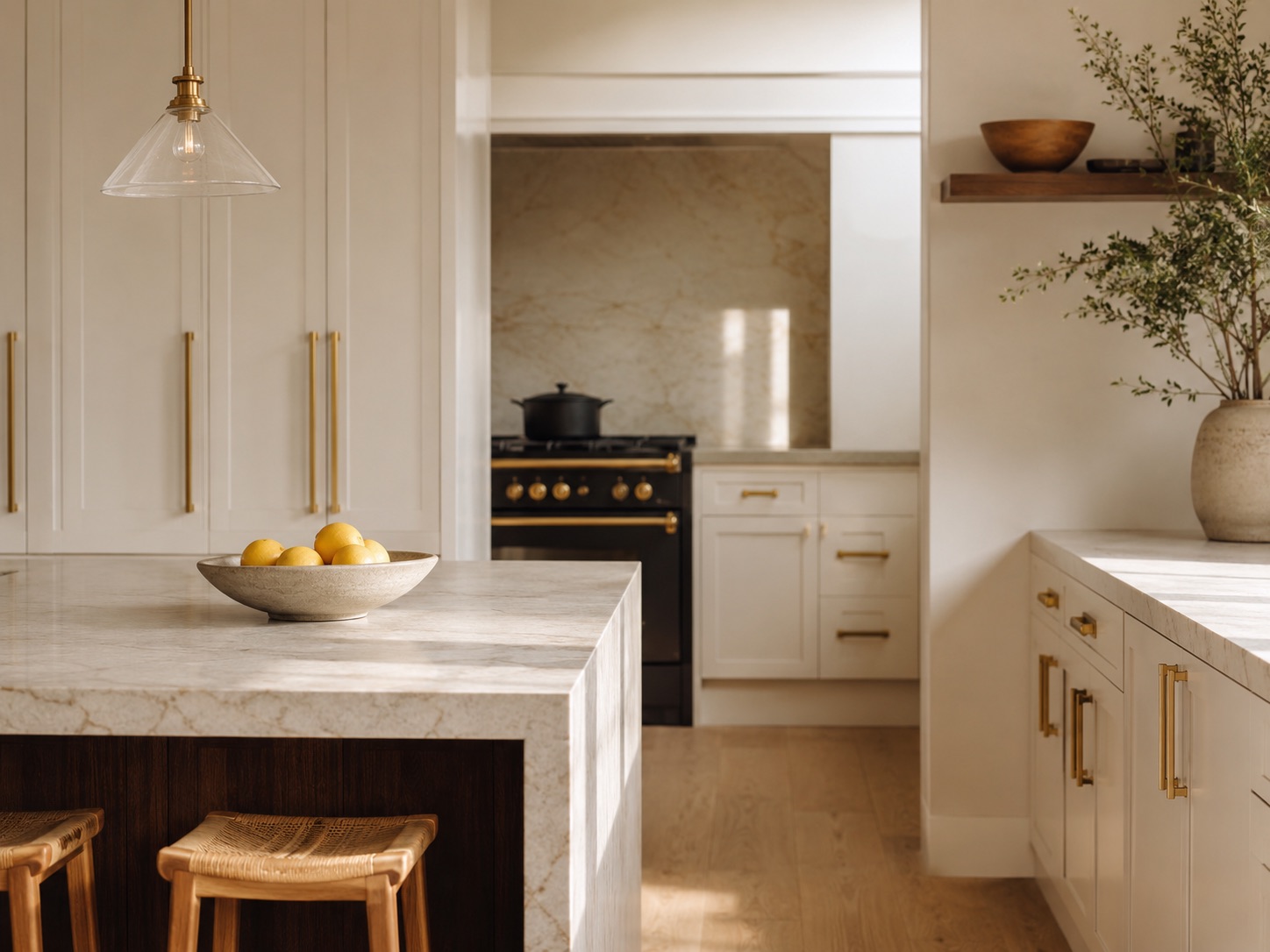
If you can only do one, which pays back better at resale — the kitchen or the bathroom? The short answer: a minor kitchen remodel usually edges out a bathroom remodel on return, but the bathroom wins on lower cost and lower risk. The trap to avoid in both rooms is going “major.”
Quick verdict: minor kitchen remodel ≈ 85% recouped · midrange bathroom remodel ≈ 74% · major kitchen ≈ 50% · bathroom addition ≈ 50%. Smaller, cosmetic updates beat full gut-jobs in both rooms.
The numbers, side by side
| Project | Typical cost | Recouped |
|---|---|---|
| Minor kitchen remodel | $27,000 | ~85% |
| Bathroom remodel (midrange) | $25,000 | ~74% |
| Major kitchen remodel | $80,000 | ~50% |
| Bathroom addition | $60,000 | ~50% |
National midrange averages; ROI varies by market. Run your own figures in the calculator.
Why the minor kitchen usually wins
The kitchen is the room buyers judge a house by, so a refresh that makes it feel current pays off — refacing or repainting cabinets, new hardware, an updated countertop, and one or two appliances, without moving walls or plumbing. Because the cost stays moderate while the visual impact is high, the recoup rate lands around 85%. Push it to a full major remodel — custom cabinets, new layout, premium everything — and the cost roughly triples while the recoup rate falls to about half.
When the bathroom is the smarter call
A midrange bathroom remodel recoups a little less (~74%) but costs less and carries less risk: it's a smaller, more contained project, and a clean, modern bathroom removes a common buyer objection. If your kitchen is already decent and a bathroom is dated or the home is short on bathrooms, the bathroom is the better spend. Note that a whole new bathroom addition is a different animal — it adds function but only recoups about half its cost.
When the bathroom is actually the higher-priority spend
The raw ROI numbers favour kitchens, but that does not mean the kitchen is always the right call. Several common situations flip the priority:
- The “one ugly bathroom” problem. If your home has only one full bathroom and it is visibly dated — cracked tiles, a stained tub, a vanity from the 1980s — that single room will dominate buyer feedback. A buyer can live with a dated kitchen for a few months while they plan their own remodel, but a bathroom they dread using every morning is a deal-breaker. Fixing the only bathroom removes a harder objection than refreshing a merely tired kitchen.
- Bathroom count vs bedroom count. A three-bedroom house with one bathroom is functionally deficient for most families. Adding or remodelling a second bathroom in that scenario can shift the listing from “starter home” to “family home” — a category jump that carries a price premium beyond the normal bathroom ROI. Conversely, adding a fourth bathroom to a four-bed house offers almost no incremental return.
- The kitchen is already good enough. If a previous owner updated the kitchen within the last 10–12 years and the layout works, minor cosmetic tweaks (hardware, backsplash) may be all it needs. Spending $27,000 on a minor kitchen remodel over a kitchen that already presents well is over-improving; redirecting that budget to a dated bathroom is a stronger move.
How scope changes the comparison
Both kitchens and bathrooms have a dramatic ROI cliff as scope increases. Understanding where that cliff sits is more important than the kitchen-vs-bathroom question itself.
For kitchens, the cliff is between a minor remodel (~$27,000, ~85% recouped) and a major remodel (~$80,000, ~50% recouped). The minor remodel keeps existing layout and plumbing and focuses on surfaces — cabinet refacing, new countertops, updated hardware, maybe one or two appliances. The moment you move walls, reroute plumbing, or order custom cabinetry, costs triple and returns halve.
For bathrooms, the cliff is between a midrange remodel of an existing bathroom (~$25,000, ~74% recouped) and a bathroom addition that creates a new room (~$60,000, ~50% recouped). Building a new wet room from scratch — new plumbing stack, ventilation, waterproofing, tiling — is fundamentally more expensive per square foot than refreshing a room that already has those services in place.
The practical takeaway: in either room, cosmetic refreshes outperform structural overhauls. If your kitchen needs new cabinets and counters but the layout works, do a minor remodel. If your bathroom has solid bones but tired finishes, re-tile, replace the vanity, and update fixtures. Save the gut-job budget for a house where the existing layout is genuinely broken — and even then, check the numbers against your local price ceiling before committing.
How to choose
- Selling within ~2 years? Fix whichever room is most dated, keep it minor/midrange, and use neutral, timeless finishes.
- Staying long term? ROI matters less — do the room you'll use most, and enjoy it.
- Tight budget? The bathroom is cheaper to bring up to standard; the minor kitchen returns a touch more per dollar.
- Either way: resist scope creep. The jump from “minor” to “major” is where ROI collapses.
Compare them for your home
Use Compare mode to put a kitchen and bathroom side by side, or enter your own quote.
Open the calculator →Methodology: figures are national midrange “Cost vs. Value” averages compiled from published remodeling data, adjusted for finish, scope and region. Planning estimates, not appraisals or quotes. Sources: Remodeling/JLC Cost vs Value, NAR Remodeling Impact Report. Reviewed by Darren Newland, June 2026. General information, not financial or real-estate advice. See the full source register for every project's exact classification.
Last reviewed: June 2026 · Return on Reno