Renovating to sell: a room-by-room ROI checklist
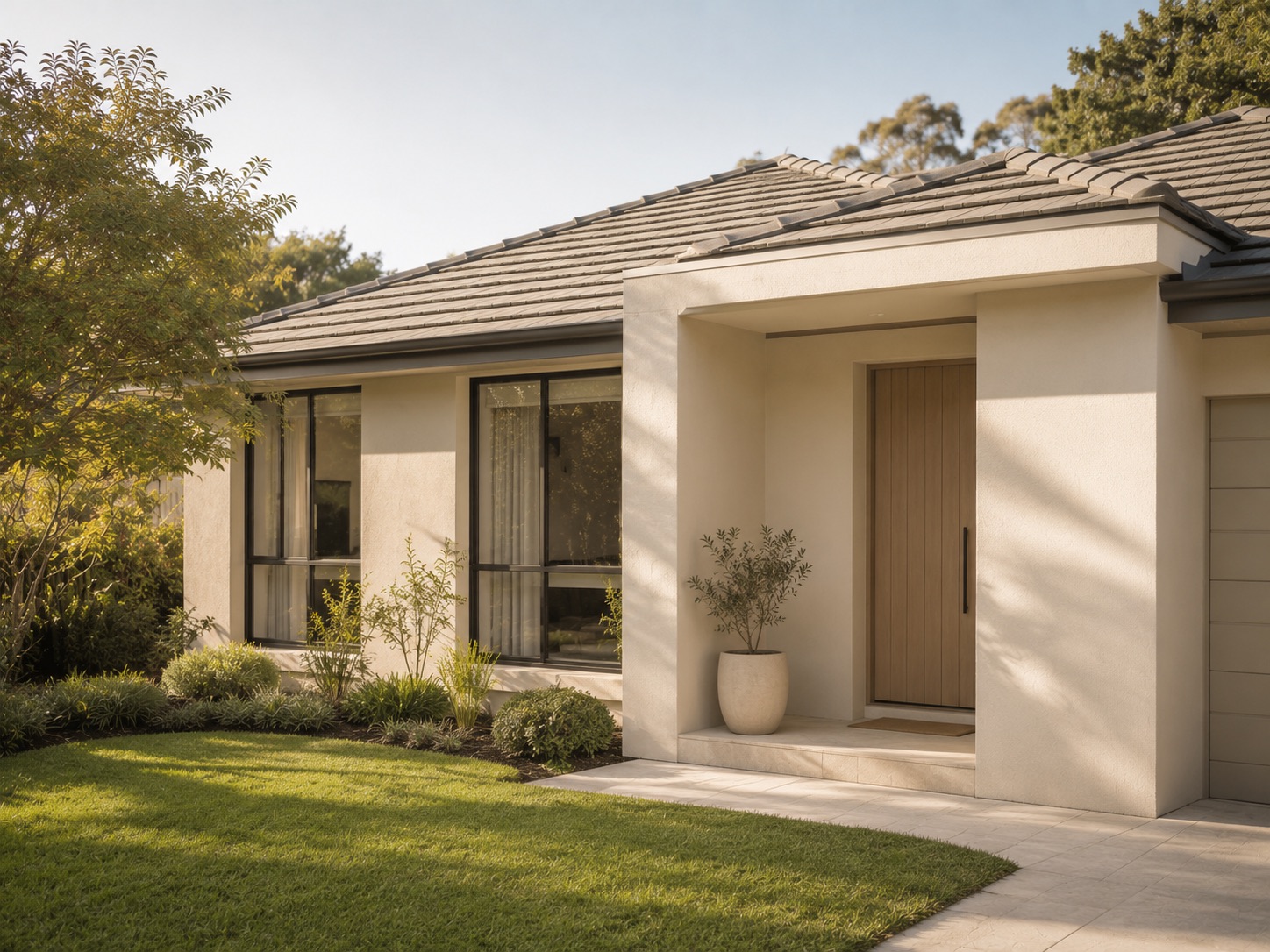
When you're renovating to sell rather than to live, the goal changes: spend the least to remove buyer objections and make the home photograph well. That means leading with condition and curb appeal, keeping interior work minor, and skipping the projects that don't pay back. Here's the checklist, ordered by return.
Rule of thumb: the highest-ROI fixes are cheap and visible from the street. Save the big interior dreams for the buyer.
This page is long enough to be worth keeping — save it or press Cmd/Ctrl+P to print a room-by-room copy to carry through your walkthrough.
The room-by-room table
Every figure below is the same national midrange benchmark the calculator uses — click through to a project for the full cost breakdown and regional adjustment.
| Project | Typical cost | Recouped | Do first / optional / skip |
|---|---|---|---|
| Garage door replacement | $4,500 | 160% | Do first |
| Entry door replacement (steel) | $2,400 | 150% | Do first |
| Curb-appeal landscaping | $8,000 | 90% | Do first |
| Asphalt roof replacement | $30,000 | 56% | Do first, if failing |
| Interior repaint (whole home) | $5,000 | 80% | Do first |
| Hardwood floor refinishing | $3,000 | 100% | Do first |
| Minor kitchen remodel | $27,000 | 85% | Optional |
| Bathroom remodel | $25,000 | 74% | Optional |
| Major kitchen remodel | $80,000 | 50% | Normally skip |
| Bathroom addition | $60,000 | 50% | Normally skip |
| Primary (master) suite addition | $165,000 | 48% | Normally skip |
| Inground pool installation | $45,000 | 55% | Normally skip |
1. The exterior & front door (do first — highest ROI)
- Garage door and entry door — the best-returning projects of all; modern, clean doors signal a maintained home.
- Tidy siding / a fresh coat of exterior paint, and curb-appeal landscaping — first impressions get priced in.
- A sound roof and gutters — buyers expect it; an end-of-life roof is a negotiating lever you want to remove.
2. Paint & floors (cheap, high-impact)
- Repaint throughout in warm neutrals — the single cheapest way to make a home feel cared-for.
- Refinish existing hardwood rather than replacing it — one of the best returns in the house.
3. Kitchen & bathrooms (keep them minor)
- A minor kitchen refresh (cabinet fronts, hardware, counters, a couple of appliances) — not a gut job.
- Update a dated bathroom with neutral, timeless finishes. See kitchen vs bathroom ROI if you can only do one.
4. Spend with caution
- Major kitchen remodels, bathroom additions, suite additions — they recoup ~half; only worth it if the home is genuinely under-spec for its street.
- Pools and ultra-luxury finishes — lifestyle spends, not resale plays.
- Don't over-improve for the neighbourhood — a kitchen worth more than the comps can't be appraised back.
Three worked pre-sale budgets
These aren't hypothetical — each plan below is a real combination of projects from the calculator, added up exactly as the tool would compute them at national midrange pricing.
| The $10k quick-win bundle | |
|---|---|
| Entry door replacement (steel) | $2,400 |
| Garage door replacement | $4,500 |
| Hardwood floor refinishing | $3,000 |
| Total cost | $9,900 |
| Resale value added | $13,800 |
| Net value gain | +$3,900 |
| Blended recoup | 139% |
| The $25k single-room refresh | |
|---|---|
| Bathroom remodel | $25,000 |
| Total cost | $25,000 |
| Resale value added | $18,500 |
| Net cost after resale | $6,500 |
| Blended recoup | 74% |
| The $50k kitchen + bathroom pass | |
|---|---|
| Bathroom remodel | $25,000 |
| Minor kitchen remodel | $27,000 |
| Total cost | $52,000 |
| Resale value added | $41,500 |
| Net cost after resale | $10,600 |
| Blended recoup | 80% |
The pattern holds across all three budgets: the cheaper, exterior-and-finish-led plan recoups the highest share of its cost, and the blended recoup rate drops as the plan pulls in bigger, lower-ROI interior work. That's the whole logic of this checklist in one table — spend where the recoup rate is highest first, and only add the bigger rooms once the cheap wins are done.
Does the advice change for a dated home vs. a damaged one?
Yes, and it's worth separating the two before you spend anything. A dated home — sound structure, working systems, just visually behind — is exactly what this checklist is for: cosmetic and curb-appeal fixes do the most work, because the objection you're removing is “this needs updating,” not “this needs fixing.” A damaged home — a failing roof, an end-of-life HVAC system, water damage, active leaks or code violations — needs those condition issues addressed first, regardless of ROI, because an inspection will surface them anyway and buyers (and their lenders) will discount far more heavily for a known problem than for dated finishes. In practice: fix damage first at whatever it costs, then apply this checklist's ordering to what's left of the budget.
5. The 10–15% rule
Be cautious once any single project passes roughly 10–15% of your home's current value — beyond that you're likely over-improving relative to the local market. The calculator shows each project as a percentage of your home value if you enter it.
Build your pre-sale plan
Use Compare mode to split your renovation budget across the highest-ROI fixes.
Open the calculator →Methodology: ROI rankings reflect national midrange “Cost vs. Value” data adjusted for finish, scope and region. Local buyer preferences vary — confirm with a local agent. Sources: Remodeling/JLC Cost vs Value, NAR Remodeling Impact Report. Reviewed by Darren Newland, June 2026. General information, not financial or real-estate advice. See the full source register for every project's exact classification.
Last reviewed: June 2026 · Return on Reno